Beyond the Engine: Caring for Your Hayter Control Cables and Levers
Date Released: 1 Apr 2026 Category: Blog
When we think about lawnmower maintenance, our minds usually go straight to the engine. We check the oil, change the spark plug, and ensure the petrol is fresh. While the engine is undoubtedly the heart of your Hayter, it is the network of cables and levers that acts as the nervous system. These are the components that allow you to actually control the machine, and they are often the most overlooked parts of the mower.
A Hayter is designed to feel premium. Whether you are using a push-mower or a self-propelled model, the controls should be smooth and responsive. However, as we move through the heavy mowing weeks of the spring and early summer, these cables are under constant tension. If your drive lever feels stiff, or if your engine doesn't stop immediately when you release the handle, your cables are trying to tell you something.
In this guide, we will look at how to maintain your Hayter’s control system and how a few simple adjustments can prevent a snapped cable from ruining your weekend.
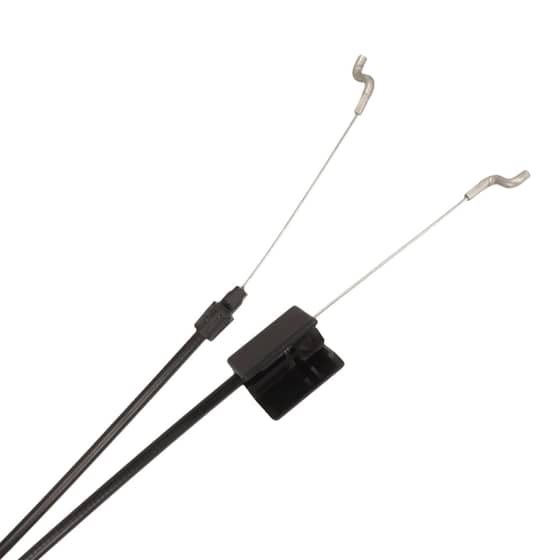
Most Hayter petrol mowers rely on three main cables to function safely and effectively. Understanding which is which will help you diagnose a problem before it becomes a breakdown.
1. The OPC (Operator Presence Control) Cable
This is arguably the most important safety feature on your mower. It is the cable connected to the bar you hold against the main handle to keep the engine running. If this cable is frayed or stretched, the engine might be difficult to start, or it might fail to stop quickly when you let go.
2. The Drive Cable (Variable Speed)
On self-propelled models like the Harrier or the Spirit Autodrive, this cable engages the rear roller or wheels. Over time, the internal wire stretches. If you find your mower is slowing down on hills, or if you have to pull the lever almost all the way to the handle before the mower moves, your drive cable needs attention.
3. The Throttle or Choke Cable
While many modern Hayters have a fixed throttle, older models or those with a choke lever rely on this cable to manage engine speed. If this becomes stiff, you might find it impossible to start the mower from cold because the choke isn't closing fully.
The "Stiff" Lever: If you have to use significant force to pull a lever, the cable is likely "binding" inside its plastic housing. This is often caused by dust and fine grass clippings working their way into the cable over the spring months. The "Lag": If there is a delay between you pulling the handle and the mower moving, the cable has stretched. While most Hayter cables have an adjuster barrel to take up this slack, there is a limit to how much they can be tightened. Visible Fraying: Periodically inspect the ends of the cables where they hook into the levers. if you see even a single strand of wire sticking out, the cable is compromised. The "Z-bend" at the end of the wire is a common stress point where snap-offs occur.
A cable that is slightly too long will leave you with no drive power, while a cable that is too short can prevent the safety brake from engaging properly. At Hayter Spares, we provide genuine cables that are designed for your specific model and serial number. This ensures that the "throw" of the lever perfectly matches the requirements of the machine, keeping you safe and your drive system healthy.
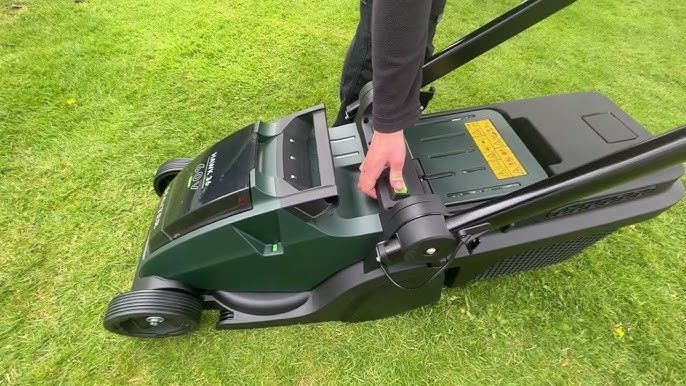
To keep your controls feeling like new, follow these three simple steps:
Lubrication is Key: A drop of light oil or a spray of silicone lubricant down the inside of the cable housing once a month can prevent rust and friction. Avoid using heavy grease, as this can actually trap grit and make the cable stickier over time. Check the Pivot Points: The plastic or nylon levers on your handle sit on pivot bolts. If these get packed with dry grass, the lever will be hard to move. Keep these pivot points clean and ensure the bolts are not over-tightened. Adjust, Don't Force: If your drive is slipping, use the threaded adjuster on the cable to increase the tension. If the adjuster is already at its maximum, it is a clear sign that the cable has stretched beyond its limit and needs to be replaced.
Whether you need a new OPC Cable, a Variable Speed Drive Wire, or a replacement Control Lever, you can find the exact genuine parts for your machine at Hayter Spares. A few minutes of maintenance today can prevent a snapped cable from stopping your mow tomorrow.
A Hayter is designed to feel premium. Whether you are using a push-mower or a self-propelled model, the controls should be smooth and responsive. However, as we move through the heavy mowing weeks of the spring and early summer, these cables are under constant tension. If your drive lever feels stiff, or if your engine doesn't stop immediately when you release the handle, your cables are trying to tell you something.
In this guide, we will look at how to maintain your Hayter’s control system and how a few simple adjustments can prevent a snapped cable from ruining your weekend.
The Three Vital Cables on Your Hayter
Most Hayter petrol mowers rely on three main cables to function safely and effectively. Understanding which is which will help you diagnose a problem before it becomes a breakdown.
1. The OPC (Operator Presence Control) Cable
This is arguably the most important safety feature on your mower. It is the cable connected to the bar you hold against the main handle to keep the engine running. If this cable is frayed or stretched, the engine might be difficult to start, or it might fail to stop quickly when you let go.
2. The Drive Cable (Variable Speed)
On self-propelled models like the Harrier or the Spirit Autodrive, this cable engages the rear roller or wheels. Over time, the internal wire stretches. If you find your mower is slowing down on hills, or if you have to pull the lever almost all the way to the handle before the mower moves, your drive cable needs attention.
3. The Throttle or Choke Cable
While many modern Hayters have a fixed throttle, older models or those with a choke lever rely on this cable to manage engine speed. If this becomes stiff, you might find it impossible to start the mower from cold because the choke isn't closing fully.
Signs of Wear: Tension, Friction, and Fraying
Cables do not usually snap without warning. There are several red flags you can look out for during your regular mow.Why Genuine Hayter Cables Matter
It is a common mistake to try and "bodge" a mower cable using universal parts or even bicycle brake cables. However, Hayter cables are engineered to very specific lengths and thicknesses to match the tension of the internal springs in the engine and gearbox.A cable that is slightly too long will leave you with no drive power, while a cable that is too short can prevent the safety brake from engaging properly. At Hayter Spares, we provide genuine cables that are designed for your specific model and serial number. This ensures that the "throw" of the lever perfectly matches the requirements of the machine, keeping you safe and your drive system healthy.
Maintenance Tips for a Smoother Operation
To keep your controls feeling like new, follow these three simple steps:
Conclusion
A Hayter mower is a precision tool, and its cables are the link between the operator and the power. By staying on top of cable tension and ensuring your levers move freely, you ensure that your mower remains a pleasure to use. If your controls are starting to feel "heavy" or unresponsive during the summer surge, it is time for an inspection.Whether you need a new OPC Cable, a Variable Speed Drive Wire, or a replacement Control Lever, you can find the exact genuine parts for your machine at Hayter Spares. A few minutes of maintenance today can prevent a snapped cable from stopping your mow tomorrow.