Powering Your Hayter: A Guide to Battery vs. Electric Mowers
Date Released: 13 Nov 2025 Category: Blog
So, you’ve decided it’s time for a new lawnmower, and you’re eyeing a Hayter. Excellent choice! Hayter mowers, especially the iconic Harrier range, are known for giving you that perfect striped finish and solid reliability. When it comes to power, the main choice you face is between a classic petrol engine or a modern, battery-powered system.
You might be wondering about corded electric mowers. They have a place in the gardening world, but it’s important to know that the Hayter Harrier does not come in a corded version. Hayter’s design philosophy has always been about combining power with ultimate freedom. The company skipped the limitations of the cord and jumped straight into developing a battery system that could rival its powerful petrol engines.
So, while your choice is between petrol and battery, let’s first understand the electric options on the market to see why the battery-powered Hayter is such a powerful solution for modern gardeners.

Pros of Corded Electric Mowers:
Unlimited Runtime: As long as it's plugged in, it will keep going. No need to worry about batteries running flat mid-mow. Lighter Weight: Generally, these mowers are lighter than both petrol and battery models because they don't carry a heavy engine or a bulky battery pack. Lower Initial Cost: They tend to be the most affordable type of mower to buy upfront. Simple Maintenance: Very few moving parts compared to a petrol engine, so maintenance is minimal.
Cons of Corded Electric Mowers:
The Cord is a Hassle: This is the big one! Managing the extension cord can be incredibly annoying. You're constantly having to move it, avoid running over it, and make sure it reaches all corners of your garden. Limited Range: Your mowing area is restricted by the length of your extension cord and the location of your power outlets. Safety Risk: Accidentally cutting through the cord is a genuine danger, which can be both inconvenient and hazardous. Less Powerful (Generally): While great for smaller lawns, they typically offer less power than petrol or high-end battery models and can struggle with very thick or wet grass.
While these mowers have their place for specific needs, their limitations in power and maneuverability are precisely why the premium Hayter Harrier focuses on more advanced power sources that offer the same freedom as a petrol engine.
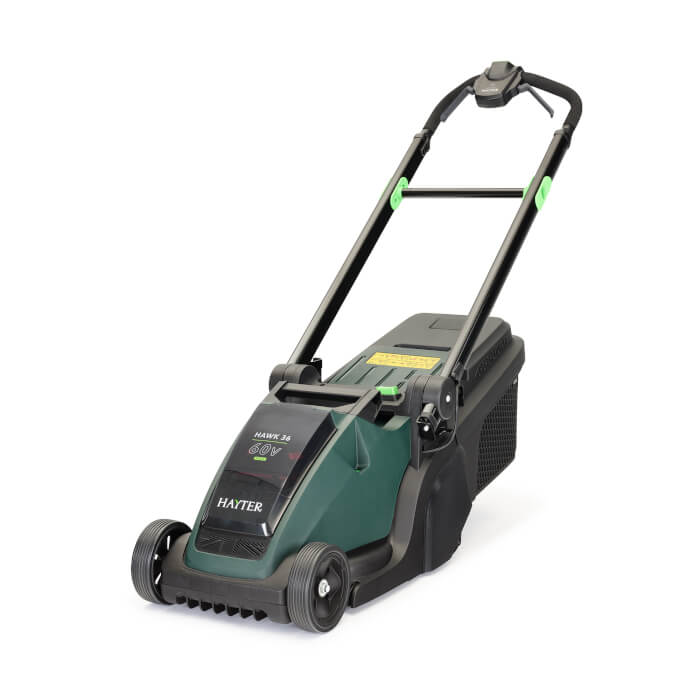 This is where the magic happens for many modern gardeners! Hayter's battery-powered Harriers offer all the convenience of electric mowing without the dreaded cord. They’ve truly revolutionized how we think about maintaining our lawns, solving all the problems that a corded mower presents.
These mowers are powered by removable, rechargeable lithium-ion batteries. You simply slot a fully charged battery (or sometimes two, for bigger models) into the mower, press a button, and you’re off! When the battery runs low, you pop it out and put it on charge.
Pros of Battery-Powered Hayter Mowers:
Cord-Free Freedom: Mow anywhere in your garden without worrying about power outlets or tripping hazards. This is arguably the biggest advantage and the main reason to choose a battery mower over a corded one. Quiet Operation: Much quieter than petrol mowers, allowing you to mow earlier or later without disturbing neighbors. You can even have a conversation while mowing! Zero Emissions: No smelly exhaust fumes, making them much kinder to the environment and to your lungs. Instant Start: No pull cords, no choking, no priming. Just push a button and you’re ready to mow. Powerful Performance: Modern battery technology, especially Hayter’s 60V system, provides excellent power and torque, easily rivaling many petrol mowers for cutting performance, even on thicker grass. Low Maintenance: Similar to corded electrics, there are no spark plugs, oil changes, or fuel filters to worry about. Shareable Batteries: If you invest in Hayter’s 60V system, the batteries are often interchangeable with other Hayter (or Toro) garden tools like trimmers or blowers, saving you money and storage space.
Cons of Battery-Powered Mowers:
Limited Runtime: Batteries will eventually run out of charge. For larger lawns, you might need a second battery (which adds to the cost) or have to pause and recharge. Charging Time: Recharging batteries takes time, though fast chargers can significantly reduce this. Higher Initial Cost: Battery mowers tend to be more expensive than corded electric mowers, and the cost of extra batteries can add up. Battery Degradation: Like all rechargeable batteries, they will gradually lose some capacity over many years of use. Weight: Generally heavier than corded electric models due to the battery pack, though still lighter than many petrol models.
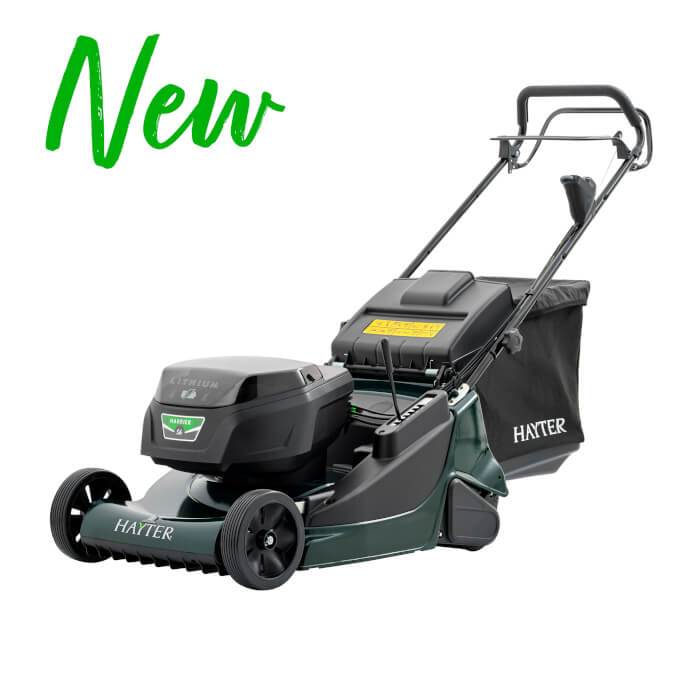 For most homeowners, the decision now boils down to petrol or battery. Petrol mowers still offer the absolute longest runtime and rawest power for the toughest conditions, often preferred by commercial users on vast, remote areas. However, they come with noise, emissions, and more complex maintenance.
For the majority of Hayter owners, the battery-powered option is the clear winner. It provides the best of both worlds: the clean, quiet, easy-start nature of electric, combined with the freedom and power to tackle almost any domestic lawn, from the compact Harrier 41 to the robust Harrier 56.
Ultimately, Hayter’s choice to focus on battery technology over a corded alternative was a smart one. It’s a huge nod to their commitment to giving gardeners the most convenient and powerful solution on the market.
You might be wondering about corded electric mowers. They have a place in the gardening world, but it’s important to know that the Hayter Harrier does not come in a corded version. Hayter’s design philosophy has always been about combining power with ultimate freedom. The company skipped the limitations of the cord and jumped straight into developing a battery system that could rival its powerful petrol engines.
So, while your choice is between petrol and battery, let’s first understand the electric options on the market to see why the battery-powered Hayter is such a powerful solution for modern gardeners.
Understanding the Corded Electric Mower (A General Look)
Before battery technology became so advanced, corded electric mowers were the go-to for many who wanted to ditch petrol. They offered a simpler, lighter, and quieter mowing experience, instantly starting with a switch rather than a pull cord. You plug the mower into an outdoor power socket, and it draws continuous electricity to power the motor and spin the blade.Pros of Corded Electric Mowers:
Cons of Corded Electric Mowers:
While these mowers have their place for specific needs, their limitations in power and maneuverability are precisely why the premium Hayter Harrier focuses on more advanced power sources that offer the same freedom as a petrol engine.
The Freedom of Battery-Powered Mowers (The Hayter Solution)
These mowers are powered by removable, rechargeable lithium-ion batteries. You simply slot a fully charged battery (or sometimes two, for bigger models) into the mower, press a button, and you’re off! When the battery runs low, you pop it out and put it on charge.
Pros of Battery-Powered Hayter Mowers:
Cons of Battery-Powered Mowers:
Making Your Choice: Petrol vs. Battery
For the majority of Hayter owners, the battery-powered option is the clear winner. It provides the best of both worlds: the clean, quiet, easy-start nature of electric, combined with the freedom and power to tackle almost any domestic lawn, from the compact Harrier 41 to the robust Harrier 56.
Ultimately, Hayter’s choice to focus on battery technology over a corded alternative was a smart one. It’s a huge nod to their commitment to giving gardeners the most convenient and powerful solution on the market.