The Unsung Hero Under Your Hayter: What the Roller Actually Does and Why Its Condition Matters
Date Released: 2 May 2026 Category: Blog
If you own a Hayter with a rear roller, you've probably noticed the stripes it leaves behind on the lawn. It's one of the most satisfying things about using a roller mower, and it's the feature most people think of first when the roller comes up in conversation. But the roller does considerably more than create a decorative effect, and understanding its full job makes it much easier to appreciate why keeping it in good condition matters so much.
By pressing the grass in alternating directions with each pass, the roller creates the light and dark banding that makes a striped lawn so visually satisfying. Grass bent towards you reflects light differently from grass bent away, and the contrast between adjacent strips creates the stripe effect. But this is the consequence of the roller doing its structural job rather than something it's specifically designed to achieve.
The roller also smooths the surface of the lawn over time. Each pass presses down any minor unevenness in the surface, gradually consolidating the ground and producing a firmer, more level base that improves both the quality of future cuts and the overall appearance of the lawn.
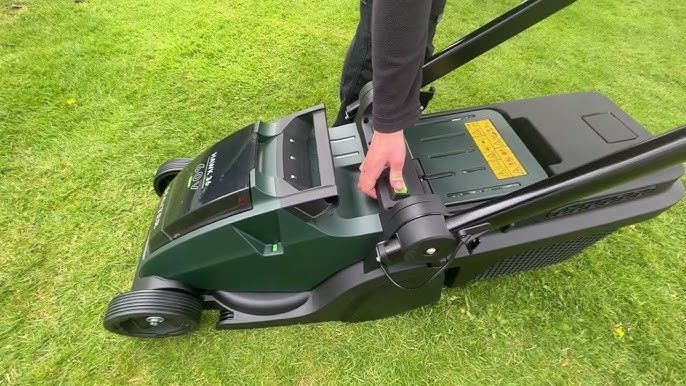
If your Hayter has been producing a cut that varies in height across the width of the deck, or that seems inconsistent from one pass to the next despite the height adjustment being set correctly, the roller is worth examining. It's an easy thing to overlook precisely because it works quietly in the background, but its influence on cut quality is significant.
A roller that isn't turning freely, perhaps because the bearings inside it have worn or seized, drags across the lawn rather than rolling smoothly. This can cause scuffing on the grass surface, particularly when turning, and puts additional strain on the drive system of the mower because it's effectively dragging a resistance behind it rather than rolling freely.
Spin the roller by hand. It should turn freely and smoothly with no grinding sensation and no stiff spots. If it feels rough, grinds as it turns, or has sections that feel stiffer than others, the bearings inside are likely worn and worth replacing.
Look at the roller surface itself. It should be reasonably smooth and consistent along its length. A roller that has developed flat spots, cracks, or sections of uneven wear will affect both the striping and the cut height consistency.
Check whether the roller is sitting parallel to the ground. If one end appears lower than the other, or if the roller seems to wobble slightly when spun, it may be bent or the mounting may have worn. Either will affect the evenness of the cut.
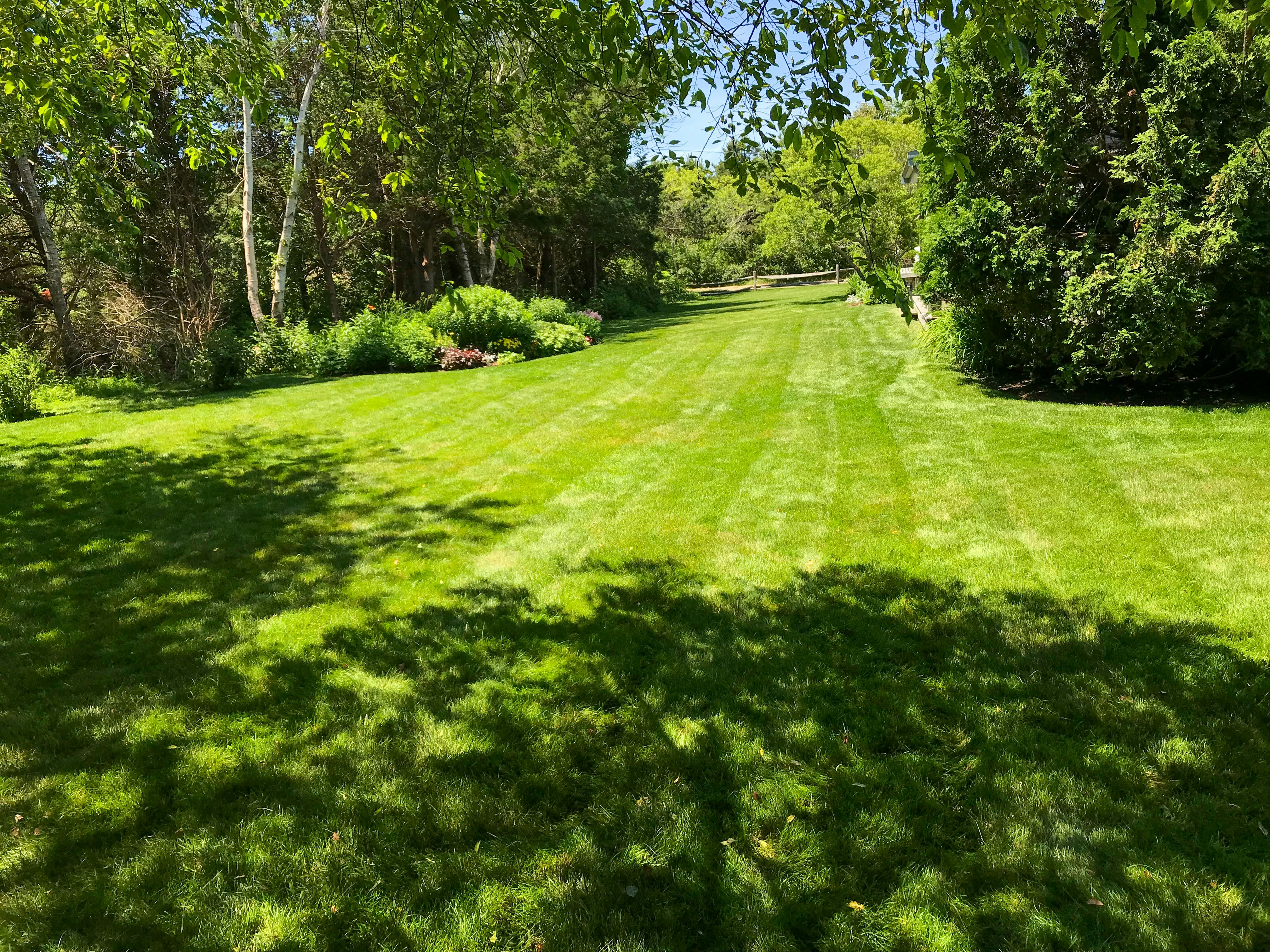
It's also worth noting that stripe definition is affected by cutting height. A slightly longer cut produces more visible stripes because there's more grass to bend and reflect light. If the stripes have faded and the roller checks out fine, trying a marginally higher cut height may be all that's needed.
If the bearings do need replacing, it's a relatively straightforward repair and the parts are readily available for Hayter mowers. Addressing it promptly when wear first becomes apparent is considerably easier than leaving it until the roller has caused damage to the deck mounting or the drive system.
The roller is one of those components that does its job quietly and without complaint for a long time, and it's easy to take for granted until something goes wrong. A little occasional attention keeps it doing everything it's supposed to do, both the visible striping effect and the less glamorous but equally important structural work underneath your mower.
What the Roller Is Actually For
The primary purpose of the rear roller is not, perhaps surprisingly, to create stripes. That's a pleasing side effect of its real function, which is to support the rear of the cutting deck at a consistent height above the ground and to press the grass flat in a controlled direction as the mower passes over it.By pressing the grass in alternating directions with each pass, the roller creates the light and dark banding that makes a striped lawn so visually satisfying. Grass bent towards you reflects light differently from grass bent away, and the contrast between adjacent strips creates the stripe effect. But this is the consequence of the roller doing its structural job rather than something it's specifically designed to achieve.
The roller also smooths the surface of the lawn over time. Each pass presses down any minor unevenness in the surface, gradually consolidating the ground and producing a firmer, more level base that improves both the quality of future cuts and the overall appearance of the lawn.
How the Roller Affects Cut Quality
Because the roller supports the rear of the cutting deck, its condition directly affects the height and consistency of the cut. A roller that is worn unevenly, damaged, or not turning freely will cause the deck to sit at an inconsistent height as it moves across the lawn, which produces exactly the kind of uneven finish that's difficult to diagnose because the cause isn't immediately obvious.If your Hayter has been producing a cut that varies in height across the width of the deck, or that seems inconsistent from one pass to the next despite the height adjustment being set correctly, the roller is worth examining. It's an easy thing to overlook precisely because it works quietly in the background, but its influence on cut quality is significant.
A roller that isn't turning freely, perhaps because the bearings inside it have worn or seized, drags across the lawn rather than rolling smoothly. This can cause scuffing on the grass surface, particularly when turning, and puts additional strain on the drive system of the mower because it's effectively dragging a resistance behind it rather than rolling freely.
What to Look For
Checking the roller on your Hayter is straightforward and doesn't require any technical knowledge. With the machine switched off and the ignition key removed, crouch down and take a look at the roller from behind the mower.Spin the roller by hand. It should turn freely and smoothly with no grinding sensation and no stiff spots. If it feels rough, grinds as it turns, or has sections that feel stiffer than others, the bearings inside are likely worn and worth replacing.
Look at the roller surface itself. It should be reasonably smooth and consistent along its length. A roller that has developed flat spots, cracks, or sections of uneven wear will affect both the striping and the cut height consistency.
Check whether the roller is sitting parallel to the ground. If one end appears lower than the other, or if the roller seems to wobble slightly when spun, it may be bent or the mounting may have worn. Either will affect the evenness of the cut.
The Striping Question
If your stripes have become less defined or less consistent than they used to be, the roller's condition is often the reason. Strong, crisp stripes require the roller to press the grass firmly and evenly in a consistent direction, and a roller that is worn, dragging, or sitting unevenly simply can't do that as effectively as one in good condition.It's also worth noting that stripe definition is affected by cutting height. A slightly longer cut produces more visible stripes because there's more grass to bend and reflect light. If the stripes have faded and the roller checks out fine, trying a marginally higher cut height may be all that's needed.
Keeping the Roller in Good Shape
The roller doesn't demand much attention during the season, but a few simple habits keep it working well. Clearing grass clippings from around the roller ends and the mounting points after each use prevents the buildup that can work its way into the bearings and accelerate wear. A quick spin by hand at the start of the season confirms it's still turning freely after winter storage.If the bearings do need replacing, it's a relatively straightforward repair and the parts are readily available for Hayter mowers. Addressing it promptly when wear first becomes apparent is considerably easier than leaving it until the roller has caused damage to the deck mounting or the drive system.
The roller is one of those components that does its job quietly and without complaint for a long time, and it's easy to take for granted until something goes wrong. A little occasional attention keeps it doing everything it's supposed to do, both the visible striping effect and the less glamorous but equally important structural work underneath your mower.