Wheels, Bearings, and Why Your Hayter Might Be Getting Harder to Push
Date Released: 2 Jun 2026 Category: Blog
There is a particular kind of frustration that comes with a mower that used to feel light and easy to handle but has gradually become an effort to push. It doesn't happen overnight, which is part of why it catches people out. The resistance builds so slowly that you almost adjust to it without realising, until one day you are putting noticeably more effort into a job that used to feel effortless and you start to wonder what has changed.
The answer is usually in the wheels. Not the engine, not the drive belt, not anything complicated or expensive. Just the wheels, the bearings they run on, and the axles they sit on. These are components that most people never think about until something goes wrong, and yet they have a direct effect on how the machine feels and performs every single time it is used.
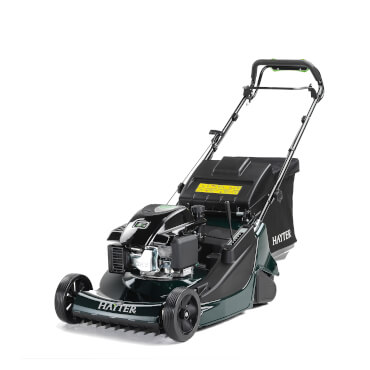
The front wheels are smaller and carry less load, but they guide the direction of the mower and contribute to how smoothly it rolls. If a front wheel is stiff or damaged, the mower will pull to one side or require more effort to steer than it should.
Bearing wear is another cause. The bushings or bearings that the wheels rotate on are not designed to last indefinitely, and on a machine that has seen several seasons of regular use they will gradually wear. As they do, the wheel develops a small amount of play on the axle, which creates both resistance and a slight wobble that you can often feel through the handle.
On self-propelled models, a drive system that is not functioning efficiently can also make the machine feel harder to push, particularly when the drive is partially engaged or when the cable adjustment has drifted slightly out of alignment. In this case the sensation is less of stiff wheels and more of the machine feeling reluctant to move freely when the drive is not fully engaged.
Also look at the area around the axle on each wheel. If there is a visible build-up of compacted grass and debris, that is worth clearing before drawing any conclusions about whether the bearing itself is worn. Sometimes removing the compacted material is all that is needed to restore free movement, and it takes only a few minutes with a stiff brush or a pointed tool to clear it out.
If the wheel still feels stiff or wobbly after cleaning, the bearing or bushing is the likely cause and the wheel will need to be removed for a closer look.
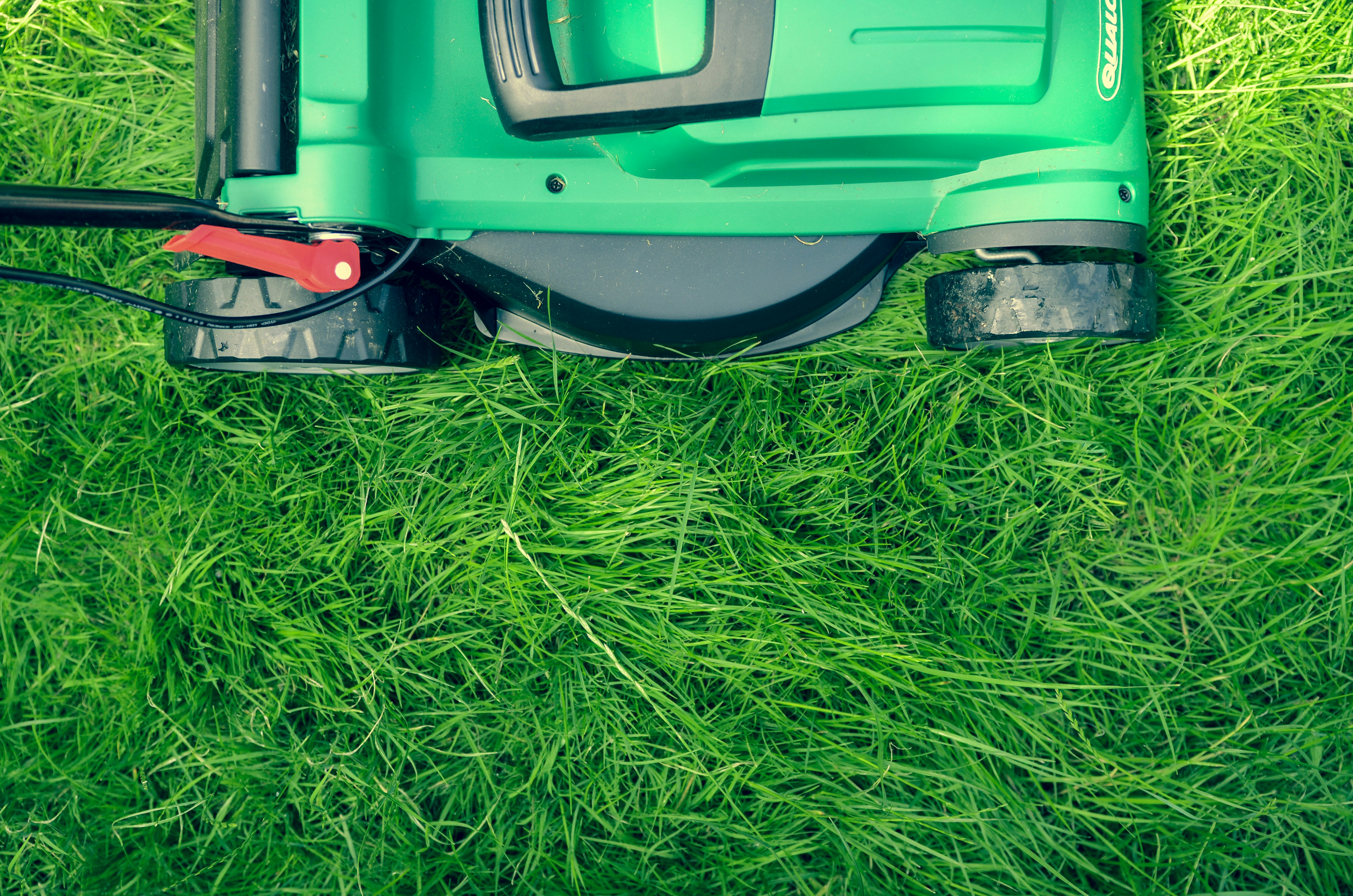
While the wheel is off, it is also a good opportunity to clean the axle thoroughly and apply a small amount of grease before refitting. Regular greasing of the wheel axles is one of those simple maintenance steps that significantly extends the life of the wheel bearings and keeps the machine rolling freely. It takes very little time and costs almost nothing, but it is a step that many people skip simply because it is out of sight.
If your Hayter has started producing a cut that looks slightly uneven despite the height being set correctly, comparing the diameter of the two rear wheels is worth doing. Uneven wear between the two sides is not common but it does happen, particularly if the machine regularly works on ground that is harder on one side than the other.
The answer is usually in the wheels. Not the engine, not the drive belt, not anything complicated or expensive. Just the wheels, the bearings they run on, and the axles they sit on. These are components that most people never think about until something goes wrong, and yet they have a direct effect on how the machine feels and performs every single time it is used.
How the Wheel System Works
On a Hayter walk-behind mower, the rear wheels are the ones doing most of the work in terms of carrying the weight of the machine and, on self-propelled models, driving it forward. Each wheel sits on an axle and rotates on a bearing or bushing that allows it to spin freely. On a self-propelled model, the drive system engages the rear wheels through a gearbox and cable arrangement, and the wheels need to be in good condition for that drive to be transmitted effectively.The front wheels are smaller and carry less load, but they guide the direction of the mower and contribute to how smoothly it rolls. If a front wheel is stiff or damaged, the mower will pull to one side or require more effort to steer than it should.
What Causes Resistance to Build Up
The most common cause of increasing rolling resistance is a gradual build-up of debris around the wheel axle. Grass cuttings, soil, and moisture work their way into the gap between the wheel and the axle over the course of a season, and as they compact and dry they create friction that was not there originally. This is particularly common on the rear wheels of machines that are used regularly on slightly damp ground or where the grass is cut when it is longer than ideal and produces heavy, wet clippings.Bearing wear is another cause. The bushings or bearings that the wheels rotate on are not designed to last indefinitely, and on a machine that has seen several seasons of regular use they will gradually wear. As they do, the wheel develops a small amount of play on the axle, which creates both resistance and a slight wobble that you can often feel through the handle.
On self-propelled models, a drive system that is not functioning efficiently can also make the machine feel harder to push, particularly when the drive is partially engaged or when the cable adjustment has drifted slightly out of alignment. In this case the sensation is less of stiff wheels and more of the machine feeling reluctant to move freely when the drive is not fully engaged.
How to Check the Wheels
Checking the wheels on a Hayter is straightforward and requires no specialist tools. With the machine on a firm, flat surface and the engine switched off, lift each wheel slightly and try spinning it by hand. A wheel in good condition should spin freely with very little resistance and no wobble. A wheel that feels stiff, grinds slightly as it turns, or wobbles noticeably on the axle is telling you something needs attention.Also look at the area around the axle on each wheel. If there is a visible build-up of compacted grass and debris, that is worth clearing before drawing any conclusions about whether the bearing itself is worn. Sometimes removing the compacted material is all that is needed to restore free movement, and it takes only a few minutes with a stiff brush or a pointed tool to clear it out.
If the wheel still feels stiff or wobbly after cleaning, the bearing or bushing is the likely cause and the wheel will need to be removed for a closer look.
Removing and Inspecting the Wheels
On most Hayter models, the rear wheels are held in place by a retaining clip or a bolt at the end of the axle. Removing this allows the wheel to slide off, giving you access to the axle and the bearing surface inside the wheel hub. Look for signs of wear on both the axle and the inside of the hub. Scoring, roughness, or visible play between the two surfaces points to wear that will only get worse with continued use.While the wheel is off, it is also a good opportunity to clean the axle thoroughly and apply a small amount of grease before refitting. Regular greasing of the wheel axles is one of those simple maintenance steps that significantly extends the life of the wheel bearings and keeps the machine rolling freely. It takes very little time and costs almost nothing, but it is a step that many people skip simply because it is out of sight.
Worn Wheels and Their Effect on Cut Quality
It is worth noting that wheel condition affects more than just how easy the mower is to push. On a Hayter with a rear roller, the height of cut is determined partly by the relationship between the roller and the blade, but on models with rear wheels the wheel diameter plays a role in maintaining a consistent cutting height. A rear wheel that has worn down significantly, or one that is badly misshapen, will effectively lower the cutting height on that side of the machine, which can produce an uneven cut that shows up as inconsistent striping or a slight lean to the finish.If your Hayter has started producing a cut that looks slightly uneven despite the height being set correctly, comparing the diameter of the two rear wheels is worth doing. Uneven wear between the two sides is not common but it does happen, particularly if the machine regularly works on ground that is harder on one side than the other.